Half a century ago Ian Fleming, the
creator of James Bond, travelled to Tokyo and wrote of ‘appalling over-crowding’ and ‘endless and very
depressing suburbs’. Not much has changed
in those respects. Japan’s capital remains exceptionally busy and pretty ugly.
It’s not a place that is going to win the average tourist over in a heartbeat. Still,
Tokyo does have some great things to offer the traveller. Here is a small
selection.

The
lovely and extensive Hama-rikyu Gardens
(300 yen) are situated near the high-end shopping district of Ginza and the
celebrated Tsukiji fish market, the world’s largest. While the environs (a
dirty moat, busy roads and skyscrapers in all directions) are not promising,
the park itself is beautiful. There is a large tidal pond, which is supposedly
frequented by green crabs, goby and other exotic fish, although you may be hard
pressed to spot them in the murky green water.

Wooden bridges traverse the waterways, and the lawns and pine trees are painstakingly manicured. A cool breeze blows in off the nearby Sumida River, bringing with it the smell of the sea, and you can relax on benches in the shade or crash out beneath an arbour. In June, blue hydrangea flowers blossom. Ulysses S. Grant, the legendary U.S. civil war commander and rather less successful president, stayed here in 1879, in a building that was sadly demolished ten years later.
Wooden bridges traverse the waterways, and the lawns and pine trees are painstakingly manicured. A cool breeze blows in off the nearby Sumida River, bringing with it the smell of the sea, and you can relax on benches in the shade or crash out beneath an arbour. In June, blue hydrangea flowers blossom. Ulysses S. Grant, the legendary U.S. civil war commander and rather less successful president, stayed here in 1879, in a building that was sadly demolished ten years later.
The
best way to travel to the Hama-rikyu Gardens is by the Suijo water bus (740
yen), which departs from the heavily touristed district of Asakusa. This
journey down the Sumida River is an absolute joy if your usual means of
transportation in Tokyo is the train at rush hour. The best place to sit is at
the back in the open air. From this vantage point you can study the city’s many
bridges (‘of great individuality’, according to the tourist hype), and look out
for Tokyo Tower as you near your destination. You might also want to try a
glass of the excellent Downtown Ale (‘Recommend!’).

Down
a long avenue shaded by sloping trees and featuring three handsome wooden torii
gates lies Meiji-jingu (no entrance
fee), a most attractive shrine that commemorates Emperor Meiji (1852-1912) and
his wife. The approach is notable for a wall of sake barrels and a thoroughly
out-of-place collection of sixty wooden wine barrels gifted by winemakers in
Burgundy. For 500 yen you can write a wish or message of thanks to the enshrined deities
on a small wooden plaque, or ema; a
magnificent tree before the shrine is
surrounded by hundreds of these.

There is also a shady and appealingly overgrown garden (500 yen), whose white, purple and blue irises are irresistible to camera-wielding Japanese visitors. Turtles and huge carp swim in a small pond at the southern end. Admire the beautiful surroundings and ignore the misleading tributes to the Emperor, who we read spent his life ‘earnestly praying for… peace with other countries’, when in fact his reign saw the annexation of Korea and other acts of expansionism.
There is also a shady and appealingly overgrown garden (500 yen), whose white, purple and blue irises are irresistible to camera-wielding Japanese visitors. Turtles and huge carp swim in a small pond at the southern end. Admire the beautiful surroundings and ignore the misleading tributes to the Emperor, who we read spent his life ‘earnestly praying for… peace with other countries’, when in fact his reign saw the annexation of Korea and other acts of expansionism.

Even
if you don’t feel like hitting the bottle, you ought still to pay a visit to
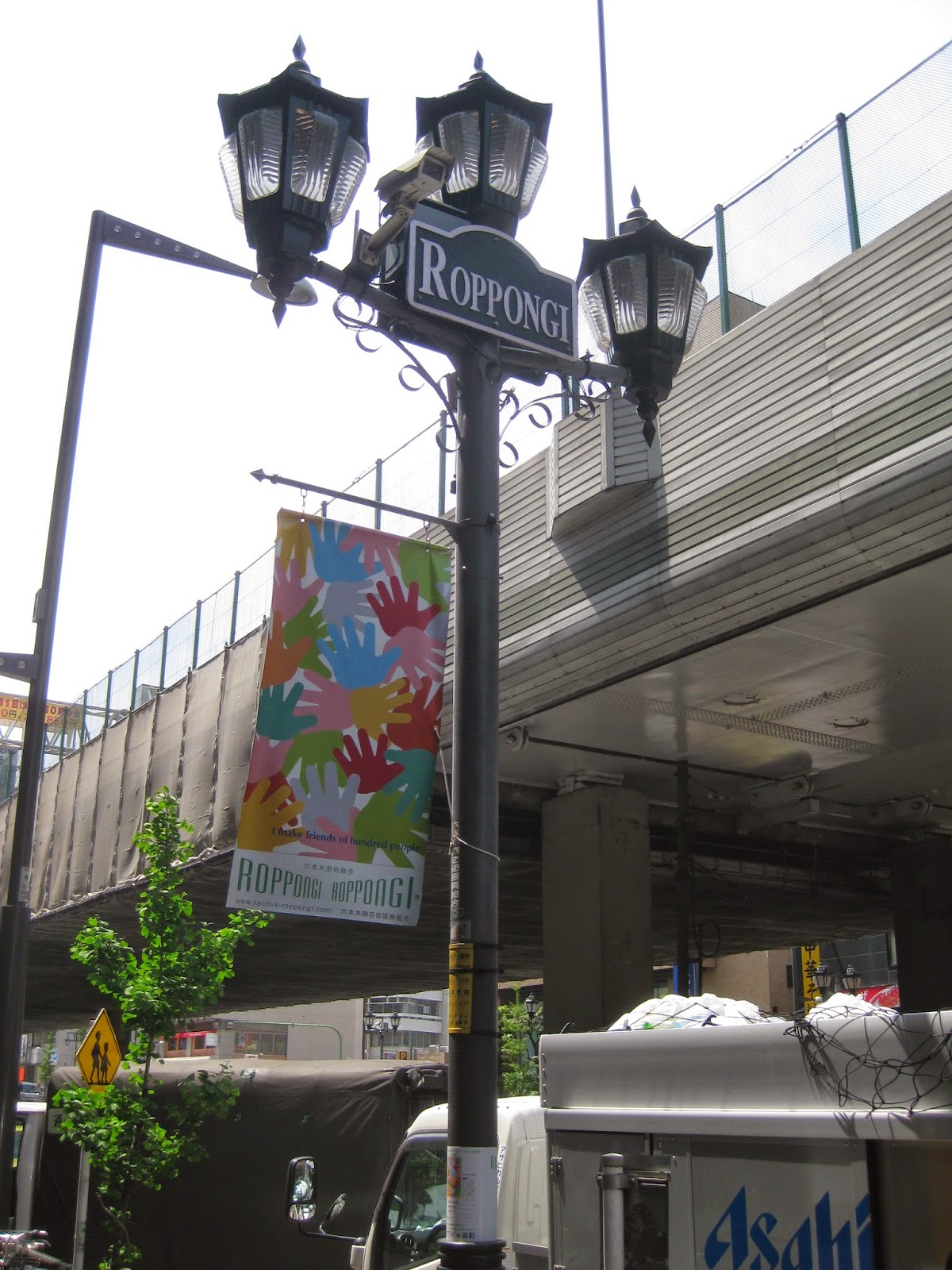
the nightlife centre of Roppongi.
The scene that plays out at night in this famous hive of sleaze and drunkenness
has to be seen to be believed. You may encounter besuited and apparently
respectable Japanese businessmen passed out on the floor of the metro station,
while the streets above are filled with Turkish restaurants, faux British pubs,
‘snack’ bars and smoky nightclubs throbbing with house music. A staggering
number of black African men loiter on the sidewalks, desperately (and
illegally) seeking to persuade booze hounds to enter establishments of
ill-repute.
It’s
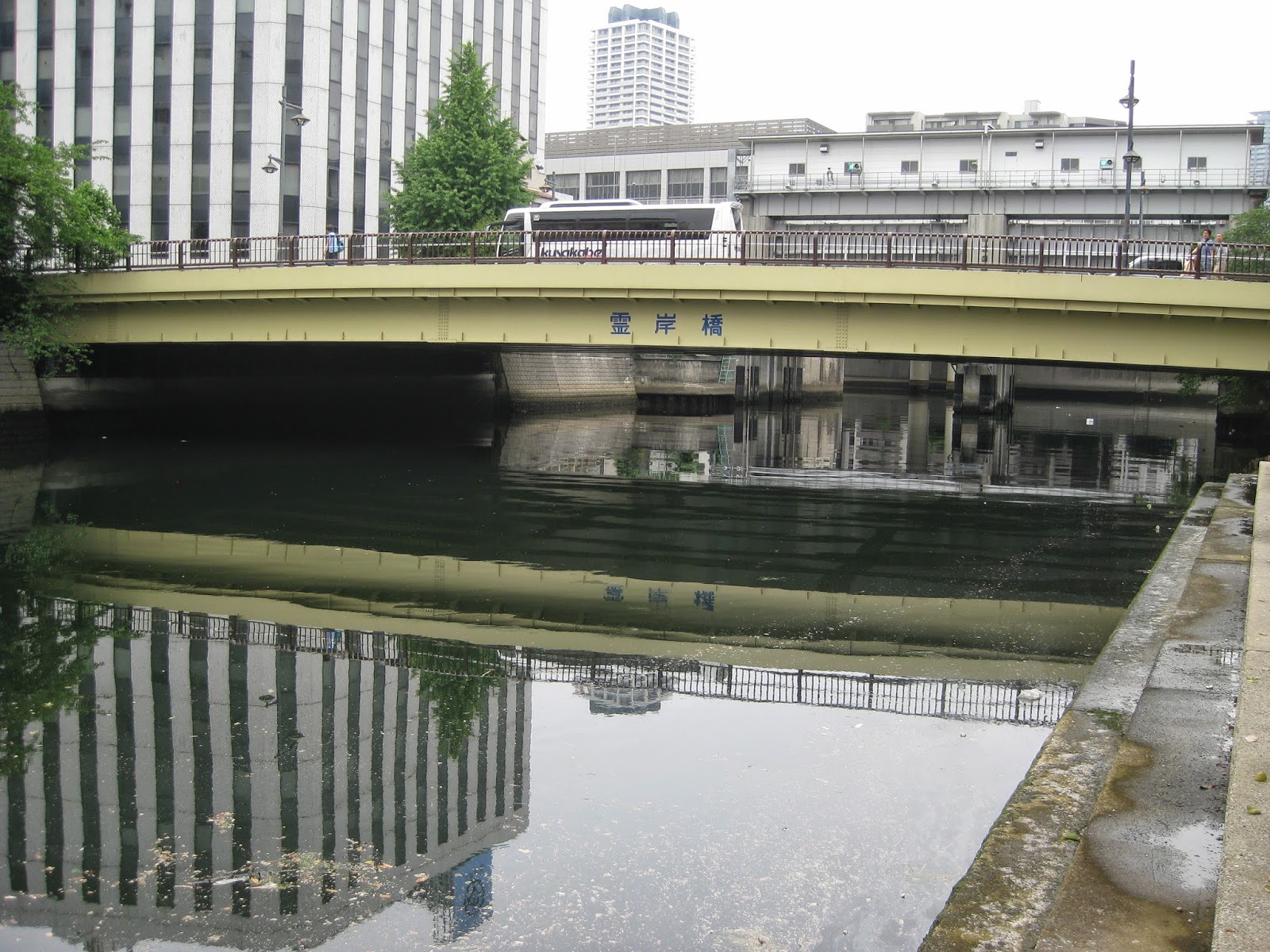
hard to believe, but you can go kayaking
in the heart of Tokyo. Although the city’s rivers and canals are not very
easy on the eye, it has to be a more rewarding way of burning calories than
working out in a hotel gym. You need to be in some sort of shape to undertake
the two to three hour journey with the Tokyo Great Kayaking Tour (6000 yen),
for it’s a pretty exhausting Sunday morning endeavour.

Starting from Kayabacho, you cross the busy Sumida River, avoiding water buses and young thrill seekers, before entering the narrow and deserted waterways to the east. Here you are likely to come across small kids waving at you from bridges and hardy jellyfish that have somehow adapted to life in the city’s polluted rivers. It’s invigorating, and you’ll get a free beer or chu-hai at the end.
Starting from Kayabacho, you cross the busy Sumida River, avoiding water buses and young thrill seekers, before entering the narrow and deserted waterways to the east. Here you are likely to come across small kids waving at you from bridges and hardy jellyfish that have somehow adapted to life in the city’s polluted rivers. It’s invigorating, and you’ll get a free beer or chu-hai at the end.